
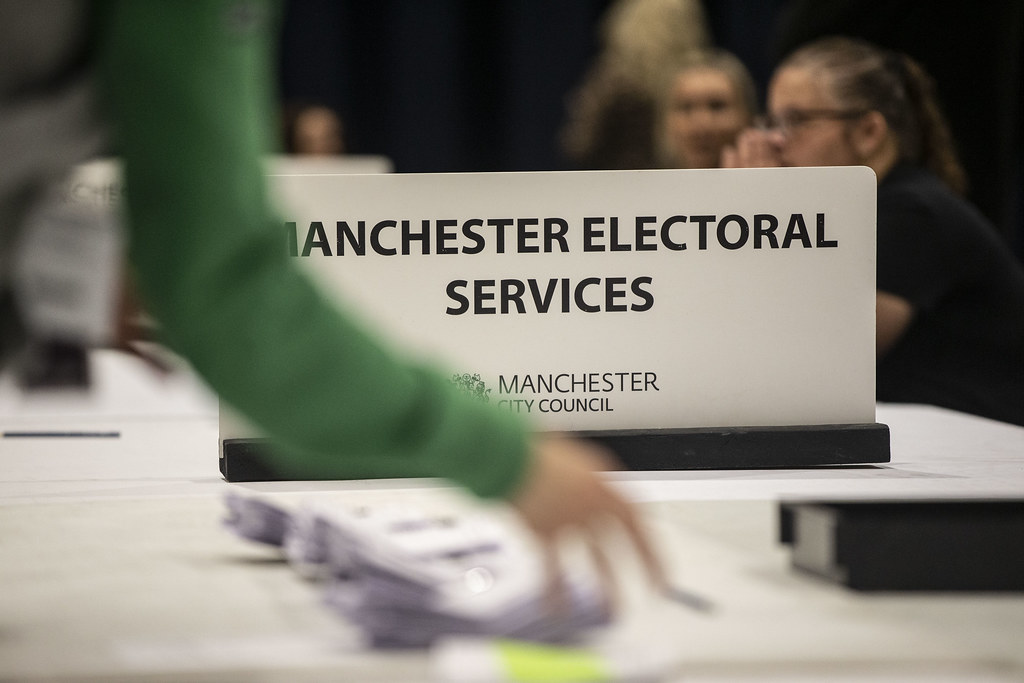
We are now only a handful of days away from the election, and the policies and promises of the main political parties are under intense scrutiny, particularly regarding their impact on older people. Critical issues such as pensions, social care, and taxation are at the forefront of the debate, given their significant influence on the lives of the elderly.
Pensions
Pensions are a lifeline for many older citizens, providing financial security in retirement. The main political parties have outlined their positions on this issue:
- Conservative Party: The Conservatives have committed to maintaining the “triple lock” on state pensions, which ensures that pensions rise annually by the highest of inflation, average earnings growth, or 2.5%. This policy aims to protect pensioners’ income against inflation and economic downturns.
- Labour Party: Labour has also pledged to keep the triple lock, emphasising their commitment to securing a dignified retirement for all. Additionally, they propose a review of the state pension age, considering the varying life expectancies across different socio-economic groups.
- Liberal Democrats: The Liberal Democrats support the triple lock but propose a more nuanced approach, potentially modifying the policy to be more sustainable in the long term. They also advocate for better private pension protections and increased financial advice services for retirees.
Social Care
Social care remains one of the most pressing issues for the elderly, with many requiring support to maintain their independence and quality of life:
- Conservative Party: The Conservatives have proposed a plan to cap personal care costs, ensuring no one has to sell their home to pay for care. They aim to integrate health and social care more effectively and increase funding to ensure the system can meet growing demand.
- Labour Party: Labour advocates for a National Care Service, mirroring the NHS, to provide free personal care for those over 65. This plan includes increasing funding for social care and improving pay and conditions for care workers.
- Liberal Democrats: The Liberal Democrats propose a dedicated tax to fund social care, ensuring it is ring-fenced and adequate to meet future needs. They also emphasise the importance of integrating health and social care services and increasing support for unpaid carers.
Taxation
Taxation policies directly impact the disposable income of older people, especially those relying on fixed incomes:
- Conservative Party: The Conservatives aim to keep taxes low, with specific pledges to not increase income tax, VAT, or National Insurance. They believe this will help maintain the financial stability of retirees.
- Labour Party: Labour plans to increase taxes on the wealthiest, ensuring those with the broadest shoulders bear the greatest burden. They argue this approach will allow for better funding of public services, including those that benefit older people.
- Liberal Democrats: The Liberal Democrats propose a fairer tax system, where wealthier individuals and corporations pay more. They aim to balance the budget without disproportionately impacting lower and middle-income families, including retirees.
Well, they say knowledge is power, so hopefully that will help you make up your mind!
Original source of data: https://www.clarendonhomecare.com/news/how-the-upcoming-uk-election-will-impact-older-people-key-pledges-from-political-parties/

Sorry, comments are closed for this post.